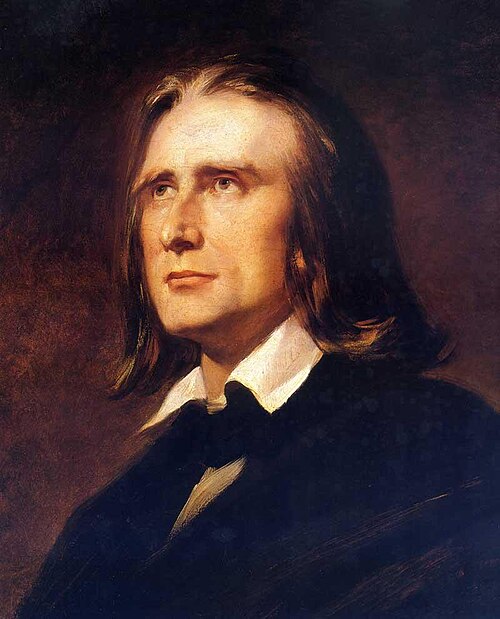
 | The Little Bell La Campanella is a dazzling piano piece that feels light, playful, and impossibly delicate, despite its extreme technical difficulty. I love how it turns virtuosity into something almost childlike and sparkling, as if the piano itself is ringing with joy. It’s music that sounds effortless, even though it demands absolute precision and control.
Fun fact: Liszt based La Campanella on a theme by Paganini, and the famous “bell” notes require huge leaps and repeated high notes one of the reasons the piece is considered a nightmare (and a dream) for pianists.  |
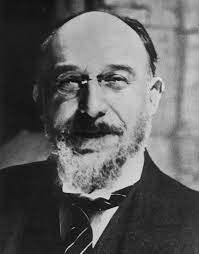 | GNOSSIENNE No. 1 Gnossienne No. 1 by Erik Satie is a mesmerizing, almost hypnotic piano piece that feels like wandering through a dream. Unlike traditional classical music, Satie avoids clear time signatures and bar lines, giving it a floating, free-flowing quality. A fun fact: Satie actually invented the term “Gnossienne,” and its mysterious title hints at secret rituals and esoteric ideas perfect for letting your imagination drift while listening. |
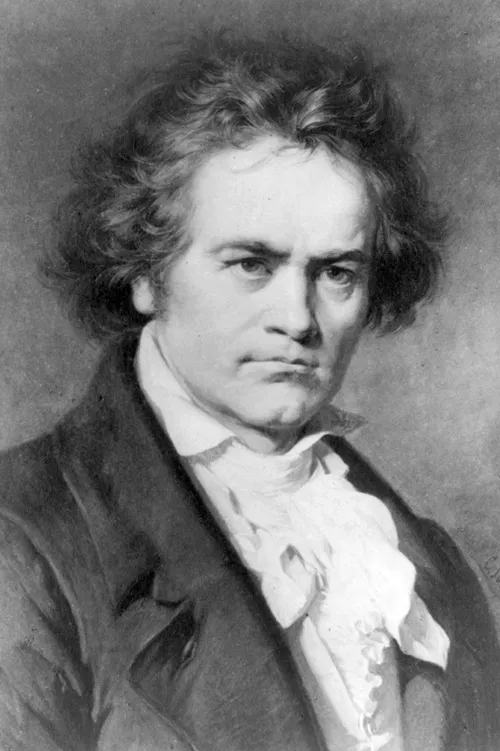 | Moonlight Sonata The Moonlight Sonata feels intimate and restrained, as if Beethoven is speaking quietly rather than performing. I love how the first movement moves slowly and patiently, creating a sense of reflection rather than drama. It’s music that doesn’t demand attention but gently holds it, inviting the listener into a private emotional space that feels timeless.
Fun fact: The name “Moonlight Sonata” wasn’t given by Beethoven himself. It was added years later by a poet who said the first movement reminded him of moonlight shining on water. |
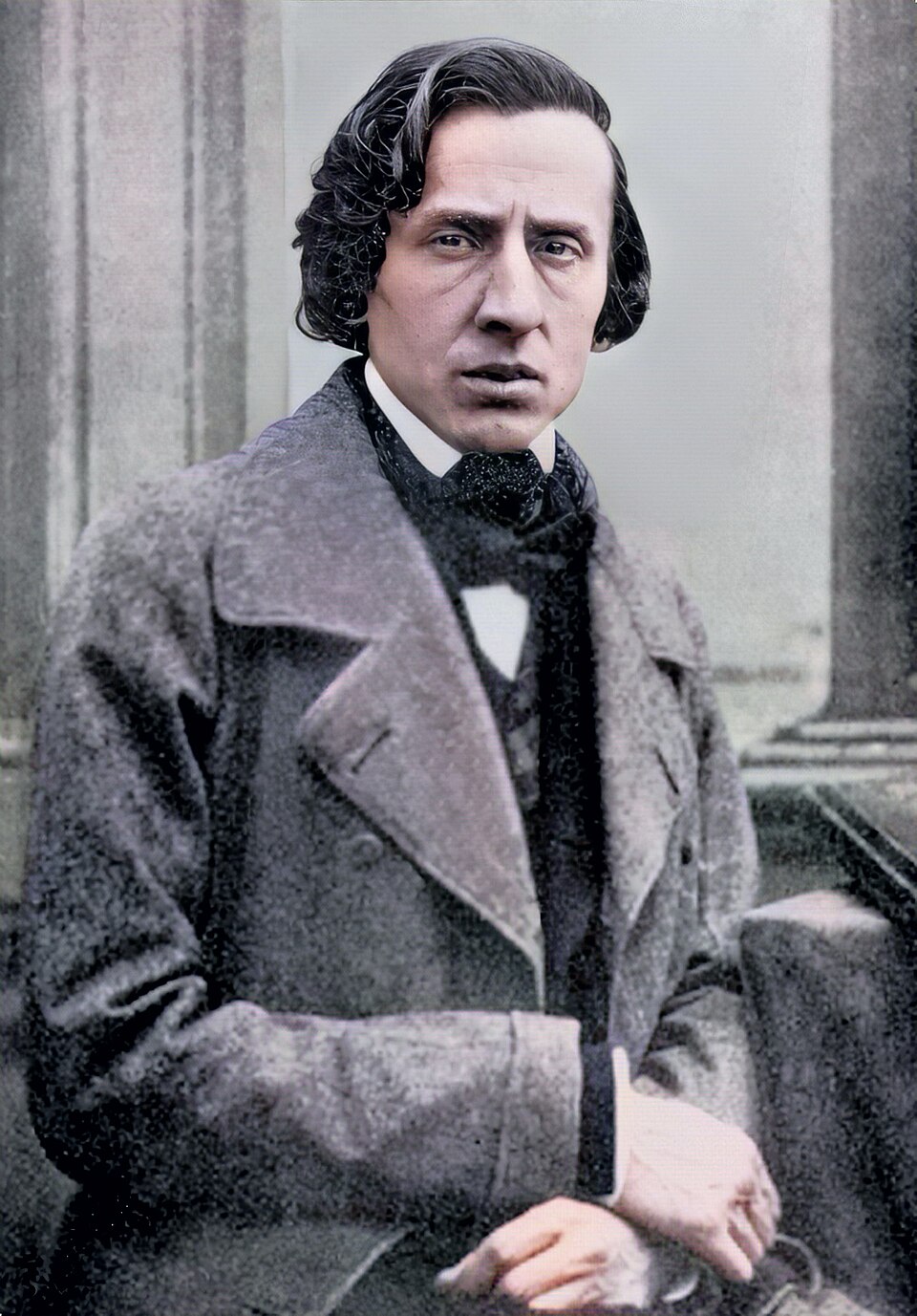 | Nocturne Op. 9 No. 2 This nocturne feels intimate and quietly expressive, as if the piano is speaking in a soft, personal voice. I love how the melody flows naturally, never rushed, carrying both elegance and subtle melancholy. It’s a piece that invites stillness, making you listen closely to each note and the silence between them.
Fun fact: Although it’s one of Chopin’s most famous works today, Nocturne Op. 9 No. 2 was written when he was still very young, already showing his unique gift for lyrical, singing melodies. |
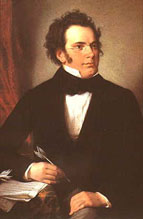 | Ständchen (Serenade) Ständchen feels tender and sincere, like a quiet confession made at night. I love how the melody is simple yet deeply expressive, carrying a sense of longing without becoming dramatic. It’s music that feels human and close, as if it’s meant to be heard in silence, under soft light, and remembered long after it ends.
Fun fact: Ständchen comes from Schubert’s song cycle Schwanengesang, and although it was written for voice and piano, it later became one of his most beloved melodies in instrumental form. |
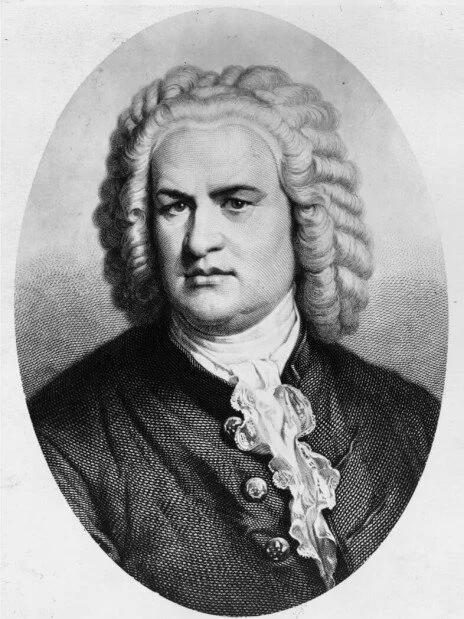
| Air on G String Air on the G String feels serene and timeless, unfolding with a quiet dignity that invites stillness. I love how the melody flows gently, carrying a sense of balance and emotional clarity without excess. It’s music that feels steady and comforting, as if it exists outside of time, offering a moment of calm reflection with every listen.
Fun fact: The title “Air on the G String” comes from a later arrangement that allows the main melody to be played entirely on the violin’s G string, giving the piece its warm, deep tone. |
← Back to Home